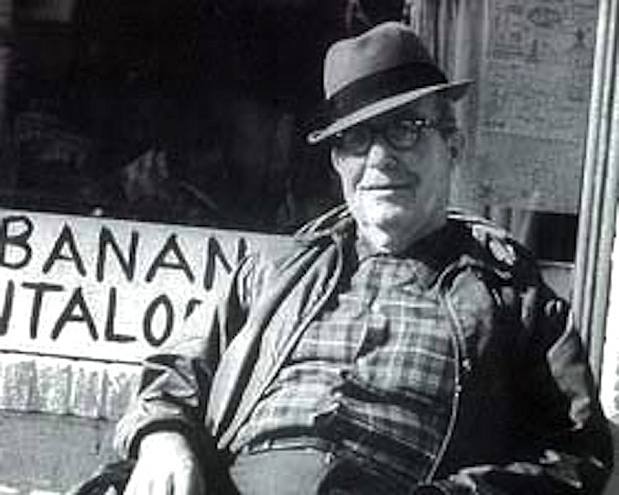
“Uncle Jack” Dey
1912 - 1978
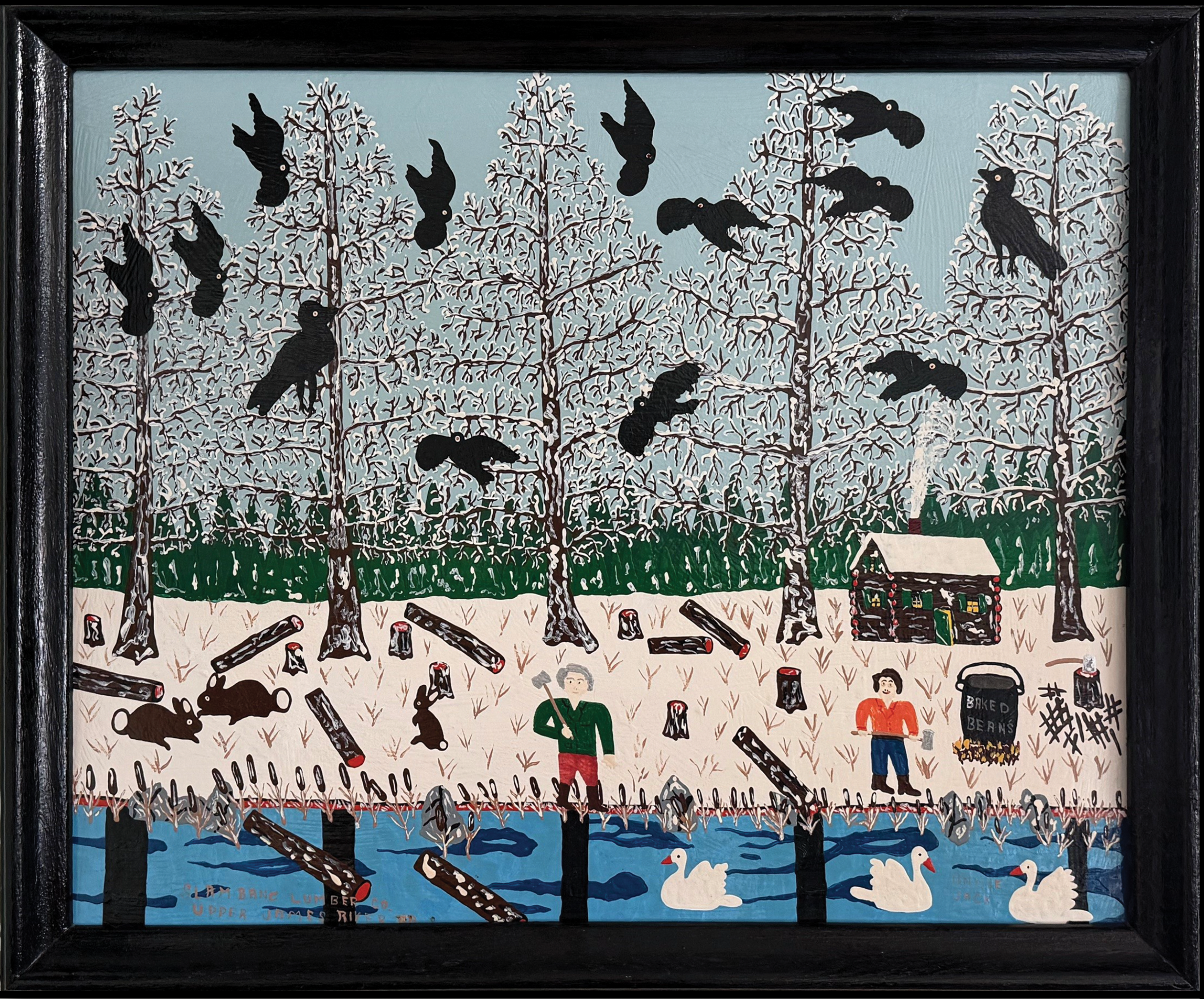
John William “Uncle Jack” Dey was born 1912 in Phoebus, VA. He was a painter whose storytelling ability and strong sense of design earned him widespread recognition. Dey dropped out of high school before he could graduate and left Richmond to see what else the world offered. He settled in Maine around 1932 and stayed for the next 2 years, trapping and working for logging companies. Around 1942, he joined the Richmond City Police Force and spent the next 13 years as a law enforcement officer, retiring in 1955. While he was on the force, Dey earned the affectionate moniker “Uncle Jack” from Neighborhood children for fixing their toys and bikes. Dey’s paintings told stories from his life but also showed imagined adventures and fanciful daydreams. Many of his story/paintings were full of friendly animals and people he admired, but Dey did not hesitate to punish people he did not like by portraying them stuck on the ends of pitchforks. Some of the paintings give a sense of impending danger with black crows hovering over all. Uncle Jack Day believed that the frame made the picture. He collected old frames from secondhand stores and thrift shops, then painted the picture to fit the frame. He painted on Masonite or board with brightly colored enamel model airplane paint made by Testor. His sense of designs, his powerful images, his ability to tell satirical stories, and his eye for dramatic patterns have earned him a reputation as an outstanding and appealing folk artist. Uncle Jack’s acupuncture pitchfork style graced the cover of the influential Museum of American Folk Art Encyclopedia of Twentieth-Century American Folk Art and Artists. ²